

Small publishers play a key role in web content but often struggle with limited financial resources. How you make money depends on your audience. Whether you’re a small or big publisher, you have some monetization options. You can use ad networks, affiliate programs, subscriptions, and other channels. Still, most publishers choose ad networks.
When a page has valuable traffic, you can earn more from ads. I get that small content creators are really struggling right now because AI is reducing traffic.
Still, you can use banners, native ads, video ads, and more. Plus, there are many Google MCM partners with bidding partners, but several factors will affect your ad earnings. More ads can increase your revenue, but too many can make your site look cluttered.
Most websites prefer revenue-optimization services over a single ad server because of premium ad quality, support, and payment options. Here are the best ad networks for small publishers that I’ve used while blogging.
1. AdSense
AdSense remains the most popular way to monetize small websites, but it’s losing its edge over time. Since it is a single ad network, only Google delivers the ads, so CPM rates are lower than those of other header bidding ad networks.

But publishers continue to use AdSense despite its limitations. It can be a suitable first monetization approach for new publishers, mainly those looking to start small.
And it works well in some cases, particularly if your traffic comes from the US, UK, Middle East, or Australia, but results can vary by region. Google has changed AdSense to CPM model, meaning you earn money based on ad impressions rather than clicks.
Advertising networks usually have specific traffic requirements. AdSense is one of the few ad networks that lets publishers join without traffic requirements. So, what are AdSense’s requirements?
You need a decent site with original content, and AdSense accepts useful online tools, but high-quality content remains critical. AdSense can decline your website for a few reasons, such as content that isn’t up to par, a hard-to-navigate design, choosing a niche that doesn’t quite fit, or forgetting to include important compliance pages.
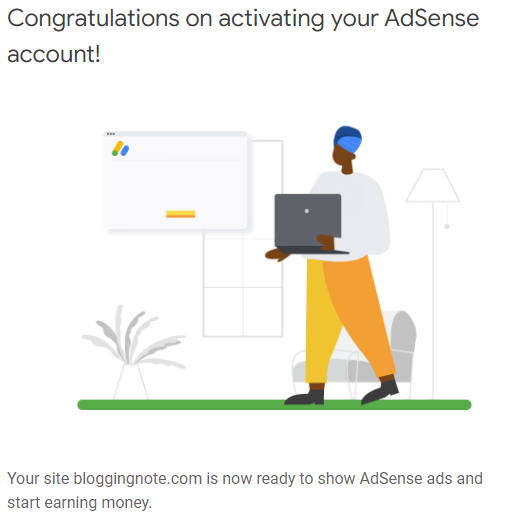
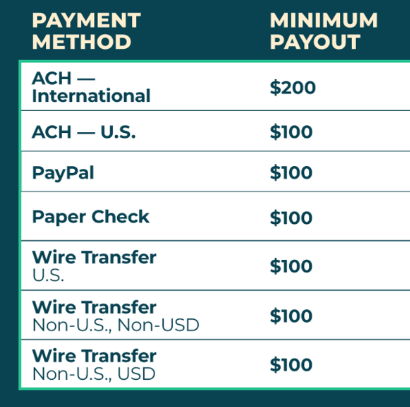
AdSense requires users to verify their identity or address before receiving their first payout. The lowest threshold is $100. Even premium ad networks have a low cap.
The only payment method is bank transfer. So, I think $100 is a high threshold for small publishers. The drawbacks outweigh the pros.
Even though AdSense accepts small publishers without a page-view limit, its payment threshold remains high. So, consider another option if your site is decent.
In practice, making money with AdSense is not easy. All ad networks slow down sites with third-party code, but AdSense is the worst. You can optimize your site with better caching plugins or techniques, such as delaying JavaScript with FlyingPress.
Highlights:
- The stats dashboard is way more insightful than most others.
- AdSense has no traffic requirements, so small publishers can qualify. You have full control over AdSense and can make changes anytime without onboarding.
- It’s difficult to reach human support. What do you do if you get banned and there’s no clear explanation?
- Compared to modern ad networks, AdSense lacks new features. And yes, they try to keep up with new features like auto-ads, but not enough.
- AdSense only shows Google Ads to visitors, whereas other ad networks are more flexible and support header bidding and optimization.
2. Journey by Mediavine
Mediavine has launched Journey, a new ad management site for sites with at least 1000 monthly sessions. This self-service ad network is designed for smaller publishers and operates within Mediavine. Indeed, Mediavine is the finest ad management platform.
They offer reputable brands with competitive CPM rates. When a blog uses Mediavine Journey, ads load as they do with Mediavine and display its logo. Here’s a sample ad:

Look, it is a new ad platform, so I can’t promise too much. To get started with Journey, install Grow by Mediavine and run it for at least 30 days. They’ll let you know if your site/blog is ready for monetization.
In essence, Mediavine is an influential ad management company, and I assume Journey will grow and improve as it becomes the best CPM ad network for small publishers. They are effective, but you will not have as much control as you would with AdSense. Journey gives smaller publishers full access to first-party data with ad technology.
Highlights:
- Approval takes 30 days.
- Journey accepts non-English websites in certain languages.
- Ensure that a domain has been active for at least four months before you submit.
- You’ll have fewer options and less control over ad placement.
- Publishers earn 70% of the revenue and are paid every 65 days, similar to Mediavine.
- You can withdraw via PayPal or wire once your balance reaches at least $100.
3. Media.Net
Media.net is a solid ad network for publishers of all sizes and the second-most notable single ad server after AdSense. It works well for publishers targeting English-speaking audiences. Still, many publishers, big and small, use Media.net.
Media.net monetizes websites through header bidding and a single tag that delivers quality display ads, helping you increase views and boost click-through rates.

Requirements: Publishers require at least 10,000 monthly visits from quality traffic in the US, Canada, the UK, Australia, New Zealand, and other English-speaking countries.
Media.net partners only with reputable publishers that get traffic from reliable sources. The approval process can be strict if your traffic comes only from Asia. It doesn’t specify traffic criteria, but your website must meet their standards. Do not use another ad network during the process. It’s an invitation-only ad network, so you must be approved.
Once you submit your application, they will let you know whether you are accepted and share the next stages. Media.net doesn’t like crap content or low-quality traffic sources.
Payments: Media.net offers competitive CPM rates and pays on net-30 terms, with a minimum payout of $100. US users can get paid by bank transfer, while users in other countries can use Payoneer.
Highlights:
- You can see all your monetization details in one place.
- It suits publishers targeting English audiences, regardless of traffic size.
- They offer premium advertising solutions in display, native, and video formats for leading agencies and brands.
- The approval process is tough if your traffic isn’t high enough quality.
4. Monumetric
Monumetric helps publishers of all sizes manage their ads. It offers higher CPMs than AdSense and rates comparable to those of Setupad, Raptive, and similar platforms.
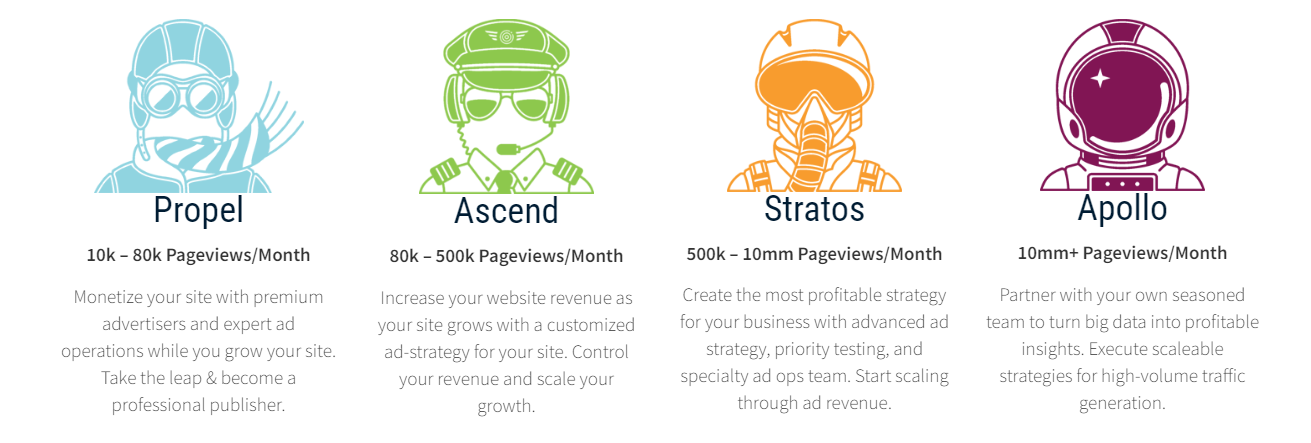
I included Monumetric on this list because they accept sites with over 10K visitors. However, there are a few limitations. For publishers, Monumetric offers four tiers:
- Propel: 10,000–80,000 page views qualify for this program. Setup costs $99.
- Ascend: It has all the tools you need to monetize effectively. It works with websites with 80,000-500,000 monthly page views.
- Stratos: Designed for established websites with monthly page views between 500,000 and 10 million. Publishers benefit from additional features, such as a dedicated Ad Operations team and access to premium advertisers.
- Apollo: Intended for enterprise publishers with more than 10 million monthly page views and includes the full range of Monumetric monetization services.
Monu accepts publishers with over 10,000 PV but requires that most of the web traffic originates from the US, the UK, Canada, Australia, and other top-tier nations.
Mainly accepts websites with English-language content. The Propel program requires your website to be on WordPress or Blogger, include a 300px sidebar, and have at least 6 ad slots. A major ad network must approve your site, and you’ll pay a $99 setup fee. Monu has a 65-day payment schedule, and PayPal’s minimum threshold is $10.
You need to consult your rep before changing ad slots. For me, the onboarding process should minimize manual setup and video calls to speed completion.

Highlights:
- Monumetric works well for small publishers who have more than 10K page views.
- $99 setup fee is the biggest and rarest downside.
5. FatChilli
FatChilli is a programmatic ad network and a certified Google MCM partner. It provides premium monetization features such as header/open bidding, revenue waterfalls, and custom ad types. FatChilli allows publishers to fetch ads from GAM 360, even if they are small. Ad Manager 360 is intended for large publishers and is not for small sites.
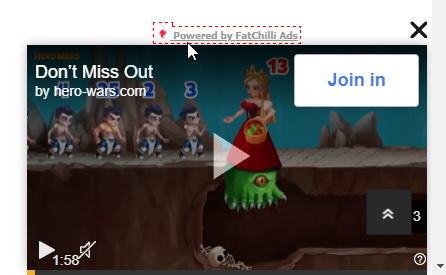
FatchilliMedia has banners, native text, videos, and more ad formats. They use lazy loading to prevent speed issues, but ads can still slow your site. That’s why ads load faster with good hosting, no matter the ad network.
I used FatChilli for a few months and saw some decent results. Honestly, it was less profitable for me than platforms like Mediavine, Raptive, Monu, or Ezoic. However, FatChilli offered a higher CPM than AdSense.
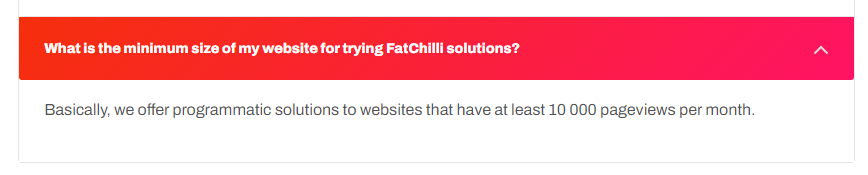
Requirements: It’s a programmatic monetization solution and a certified advertiser partner, so you need a website with well-crafted content or a useful online tool.
Ensure that your website aligns with Google’s content rules and advertiser guidelines. Once you complete the application, they will inform you to start the procedure.
Payments: FatChilli’s payment policy is NET30. The minimum amount is $100. If you don’t meet this amount, it will be delayed to the next month (bank and PayPal).
From what I’ve seen, FatChilli’s average CPMs are lower than competitors’. Probably not an attractive option for small publishers looking for CPM ad networks. Still, you can regain control of their ad revenue and optimize their long-term revenue plan. As a Google AdX partner, you can try an AdX experience.
Highlights:
6. SHE Media
SHE Media is an ad management solution exclusively for women-centered content creators, helping them monetize their content and increase its visibility.
They’re a strategic ad operations firm with multiple partners. In addition to handling ads, they offer tips for expanding your reach. With their direct advertising and header bidding, they offer high CPM rates and are a Google-certified publishing partner.
But I prefer not to use ad networks that offer multiple services. Along with display ads, they also provide video, auto, and content recommendations.
Approval Process:
- You need at least 20,000 page views per month and a high percentage of US traffic, which is a significant requirement for small publishers.
- High-quality content for women’s target audiences or lifestyle niches.
- Except for affiliate links, publishers may not use any ad networks.
- The website should be at least 90 days old and have a strong Google track record.
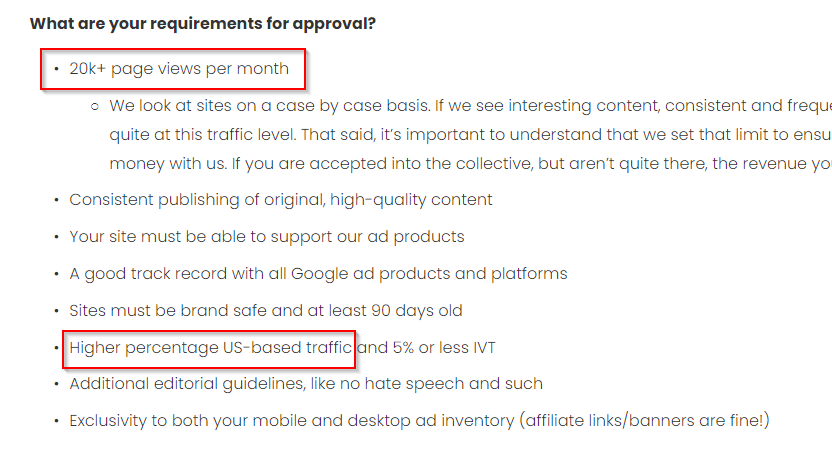
The platform is fitted for women’s content publishers with over 20,000 page views. SHE Media runs a thorough onboarding process and reviews each application individually.
They handle most tasks manually; the support team sets it up, and you need to reach out to them if you want to modify the ad placements.
Agreement and payments:
The main downside of SHE Media’s ad platform is that publishers must sign a full-year contract. If you intend to leave, you need to give 60 days’ notice.
Payments are made two months after the end of the month in which you earn revenue. For example, if you earn revenue in January, you will receive payment in March. U.S. publishers are usually paid by direct deposit, while non-U.S. publishers use PayPal.
SHE Media is a strong ad optimization service for bloggers, but its 20,000-page-view minimum may not suit small publishers. Particularly recommended for women, it is a solid platform with rich expert insights.
Highlights:
7. CarbonAds
If you manage a website or tool focused on web design, development, or technology and want to avoid disruptive ads, CarbonAds offers an effective solution.
CarbonAds remains one of the best ad networks for small and independent publishers. It ensures your readers see only one ad per page by limiting ad frequency. Sites such as JS.org, KeyCDN, and Coding use CarbonAds to monetize their sites.
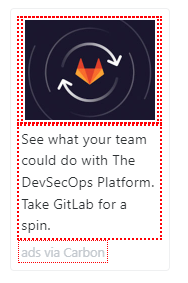
BuySellAds owns CarbonAds, which primarily serves tech brands, including web hosts, SaaS, online platforms, and software companies. But it isn’t ideal for anyone seeking a reasonable income. CPM rates typically average below $2, depending on audience and ad demand. Rates are higher when traffic comes from English-speaking countries.
Criteria and Payment Info:
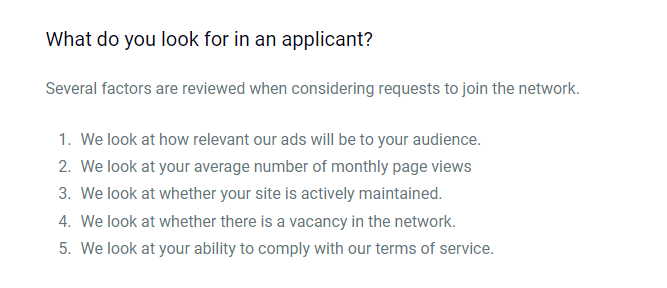
CarbonAds is invite-only, and they consider several factors when reviewing your application. I know some of these factors, but there may be others.
- CarbonAds does not list exact traffic requirements, but you should have at least 10,000 monthly views. For small publishers, this is a solid target.
- Publishers need a website or tool valuable to advertisers, such as one focused on design, programming, or open-source projects.
- Make sure your site, app, or tool is in English and updated regularly.
- You may not use other ad networks, but you can include affiliate links.
It’s simple: fewer ad impressions mean lower revenue.
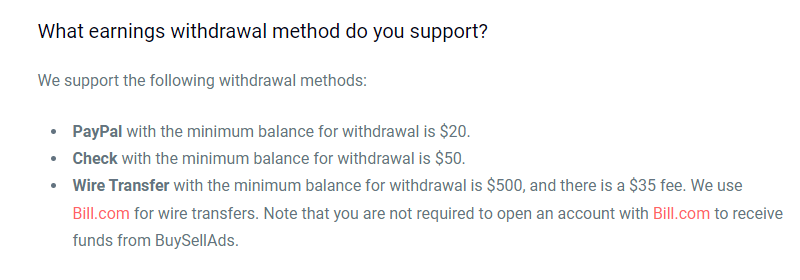
You’ll get the previous month’s ad revenue by the 15th of each month for the BuySellAds account. Minimum payout amounts vary by method. PayPal requires a minimum balance of $20, while wire transfers require a minimum of $500.
Highlights:
- It is ideal for developers to earn extra revenue with user-friendly ads.
- CarbonAds has high-quality ad designs that don’t slow the page.
- Your website needs quality content or proper online tools.
- You will not earn a decent income because only 1 ad is displayed per post, so you will receive a lower CPM rate.
8. HilltopAds
HilltopAds is a CPM ad network that works with or without a website. So, you can use some of their links on your social accounts. I don’t like these ad networks because they degrade the user experience by using pop-under ads instead of standard banner ads.
Their in-page push notifications are really annoying for visitors.
I say this ad network because it accepts sites without pageview requirements. I suggest using HilltopAds only for non-content sites, such as tools and downloaders. If you use a CDN with any ad network, you can handle issues such as excessive external JS loading.
But they offer multiple payment options, including USDT, PayPal, Paxum, and Wise. The minimum withdrawal is 20 USD, and they process payments within 7 days.
So, HilltopAds is a solid pick for smaller publishers who aren’t too worried about user experience. They offer flexible payout options and different ad formats, but avoid using them for content websites.
Highlights:
Final thoughts
I share my thoughts on reliable ad networks for small publishers. Plenty of blog posts cover this, but most are sponsored and don’t offer advice based on real experience.
As of 2026, blogging and monetization have declined compared to the last decade, and it is vital to recognize that these trends may continue to dip.
Honestly, banner ads aren’t a good monetization technique, even for small publishers. They aren’t optimal for the user experience; they can ruin it. Monetization isn’t limited to ads; you can also try other strategies. For established publishers, affiliate marketing, subscriptions, and advice services are often more effective than ad networks.
Ad monetization is familiar to publishers, and some platforms are using new tricks to increase revenue potential. It’s tough to make real money these days.